

Learn to read the forex market
Currency pairs, what moves them, how to read a chart, and how to size a position so one bad call doesn't end the account. Written in plain language, then practised on a demo account where nothing is at stake.
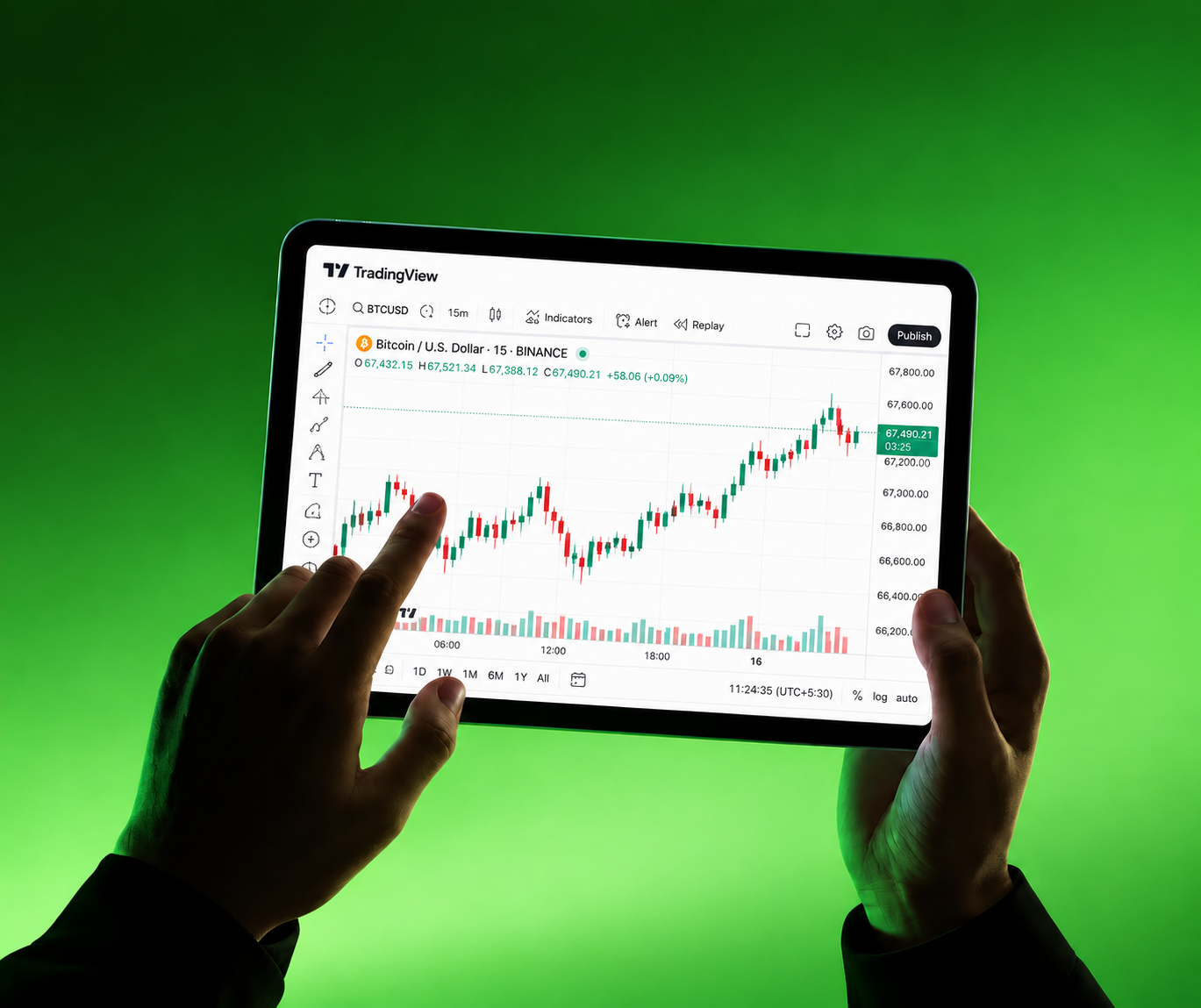
What a currency pair is, what a pip and a lot mean, and why a price has two sides.
Trend, support and resistance, and the handful of candle patterns worth knowing.
Position sizing, stop placement, and deciding what a trade may cost before you take it.
Your learning path
Read the chart. Where price has turned before, whether a market is trending or going sideways, and which few candle patterns are worth your attention. Most of what is sold as technical analysis is noise; this is the part that is not.
Understand the market
before you risk anything
Most people lose money in forex because they started before they understood what they were doing. The lessons here go in the order that fixes that.
- Plain language, no jargon wall
- Worked examples on real charts
- Risk taught first, not last
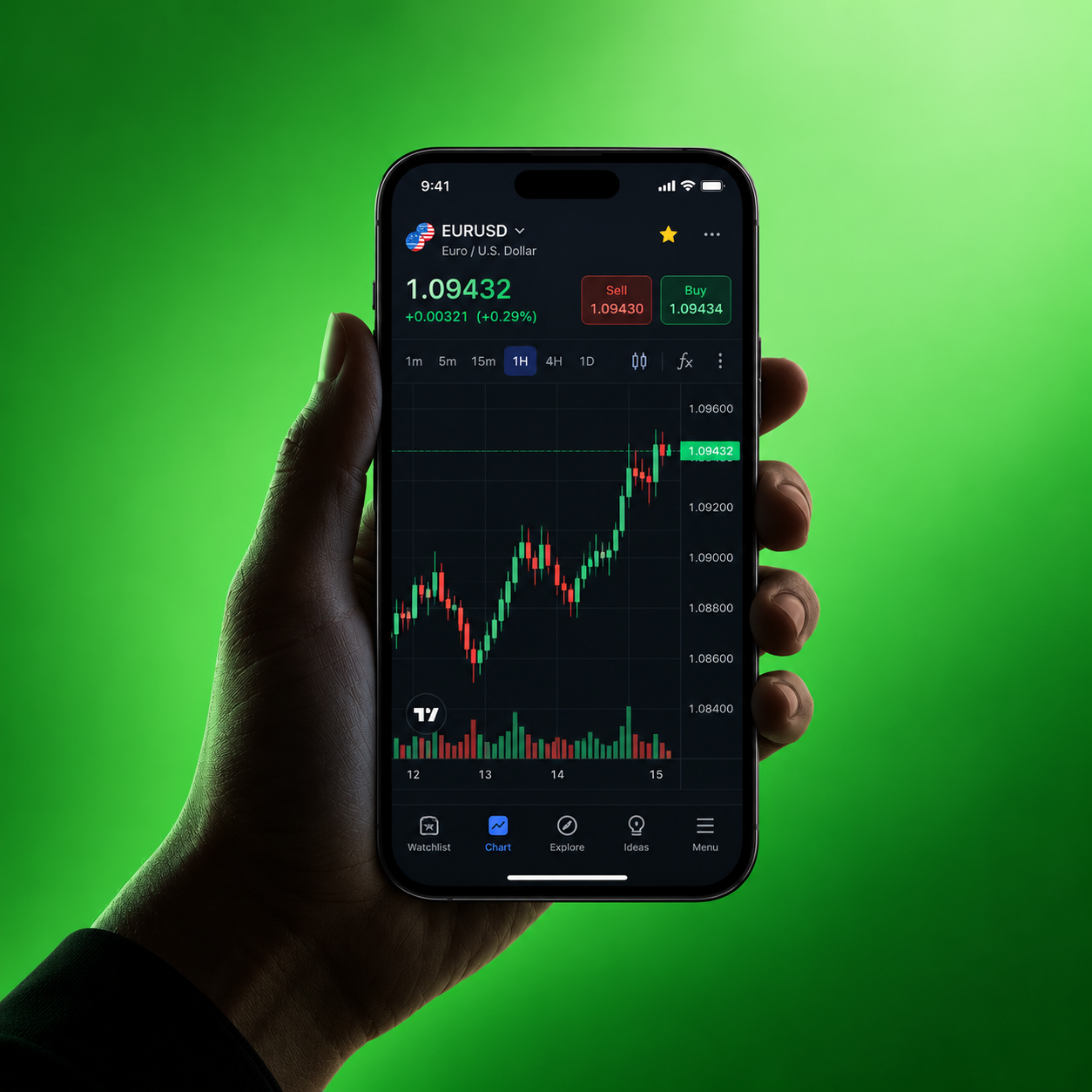
Learn every part
of one market
Majors, minors and crosses; what a central bank decision does to a pair; why the London and New York hours behave differently; and the arithmetic of leverage, which is where most beginners come unstuck.
See the topics

Every trade starts at a small loss — the gap between the bid and the ask. Knowing what you pay to enter changes which trades are worth taking.
Decide what a trade may cost you before you place it. A position sized to a stop you can live with is the difference between a bad day and a blown account.
first
Practise without
risking money
A demo account runs on the same live prices and the same spread as a funded one, with nothing of yours at stake. Read a lesson, try it on the chart, and find out what you actually understood.
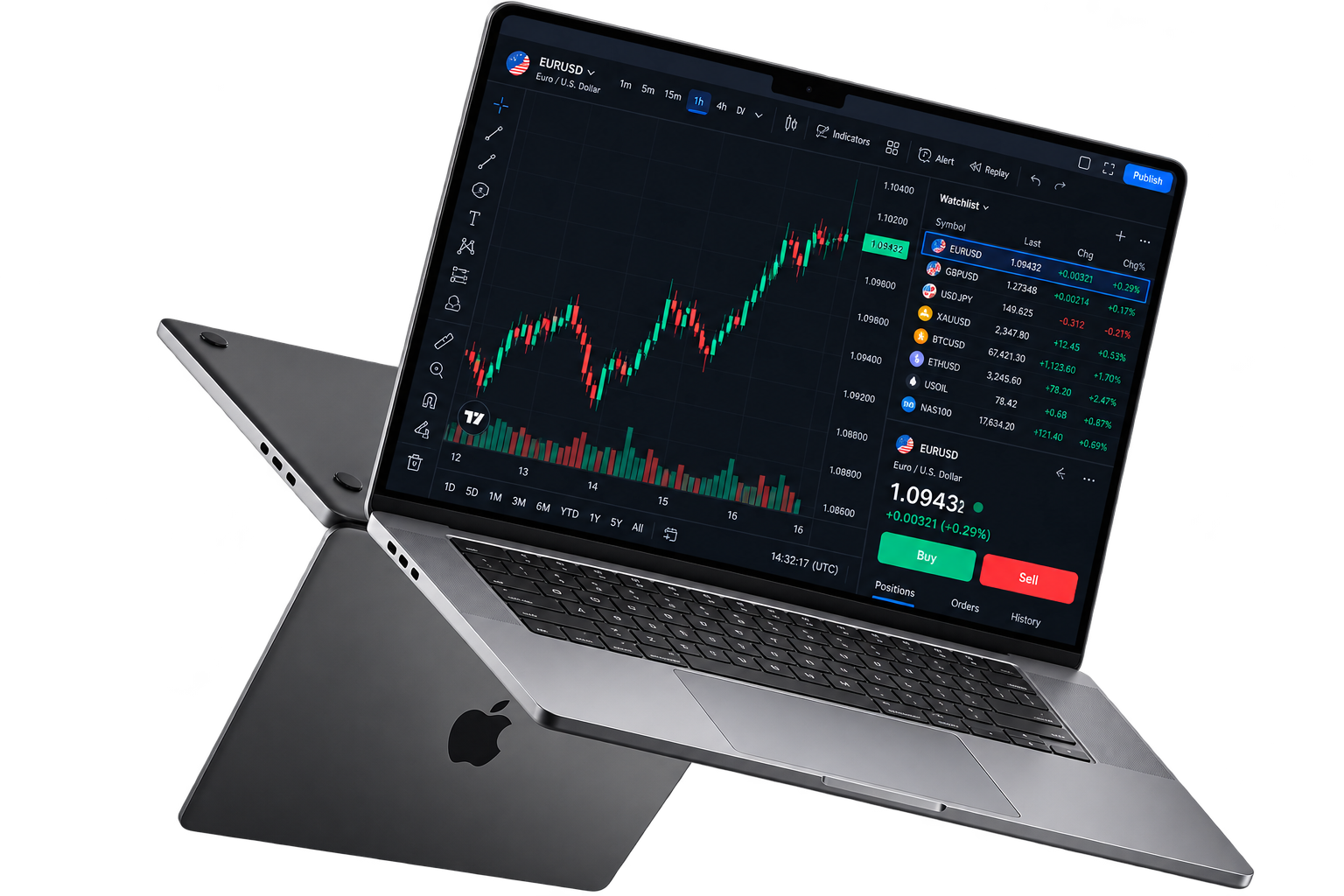
Four things decide whether a forex trade was any good: the pair you chose, what the chart was telling you, how much you put at risk, and whether you stuck to the plan once it was live.




Start at
the beginning,
not the chart
The first lessons assume you know nothing about forex, and they are free to read. No account needed until you want to practise.
Start learningNew to forex?
Start at the first lesson. Free to read, no account needed, and nothing at risk until you decide otherwise.
Contacts
Company
Market updates
A new lesson when we publish one. No spam.
Educational content only. Nothing here is investment advice or a recommendation to buy or sell any currency or instrument. Trading foreign exchange carries a high level of risk and can result in the loss of more than your initial deposit; past performance does not indicate future results. Practise on a demo account before risking real money.